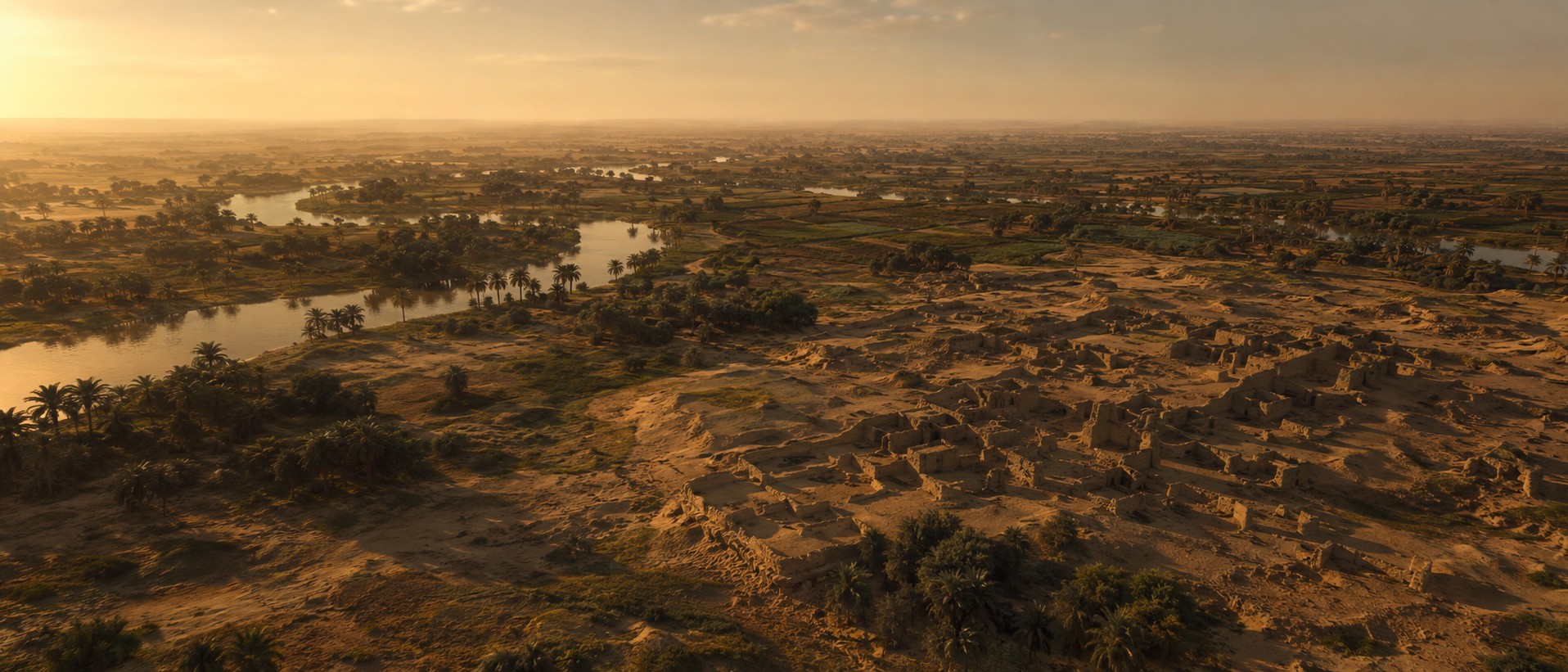
Case 01
Joseph in Egypt
A foreign slave is brought out of prison and, in a single day, rises to become the second most powerful man in Egypt. Archaeology confirms the setting was possible. But it never found the person.
Premium Investigation · Bible · Archaeology · History
This report covers 7 biblical cold cases where the Bible, archaeology, and history cross paths — what was actually discovered, what still has no simple explanation, and why those silences make the stories even more compelling.
Unconditional 7-day guarantee — if it doesn't deliver what you expected, request a full refund through Hotmart
70-page PDF · Instant download · Read it anytime
Most people encounter a biblical story, feel the impact… and move on to the next video.
But some of these accounts don't close that easily.
Joseph sold by his brothers, rising to become the second most powerful man in Egypt. The Exodus spanning generations. Megiddo and the name that crossed millennia as Armageddon. Silver scrolls found inside a tomb in Jerusalem. The ossuary of a man who appears in all four Gospels. A language spoken by an entire nation again after more than a thousand years of silence.
These stories didn't survive just because they're striking. They survived because they carry something that keeps unsettling people — tension, mystery, and questions that no easy answer manages to close.
The problem is that almost all Bible content falls into one of two traps: it turns every archaeological finding into definitive proof of faith… or it turns every silence into automatic refutation. Both sides do the same thing — they show only what confirms the conclusion they already had, and ignore whatever complicates it.
The result is that most curious people end up caught between two incomplete versions of the same story. This report was written for a different kind of reader: someone who doesn't just want to be moved by biblical accounts, but wants to understand what actually exists behind them.
There are questions that history touched — but never managed to close. This report shows exactly where they stand.
This report doesn't answer whether the Bible is true or false — that isn't a question any single book can answer on its own. It answers what was found, what remains in dispute, and why each case changes the way you look at these stories.
It was not written to turn historical findings into forced proof.
It was not written to attack anyone's faith.
It was written to show what exists between the story, the finding, and the silence that remained.
You already know the story. Now look at what was left behind. Each case begins where most videos end: at the question that remained after the impact.
A foreign slave is brought out of prison and, in a single day, rises to become the second most powerful man in Egypt. Archaeology confirms the setting was possible. But it never found the person.
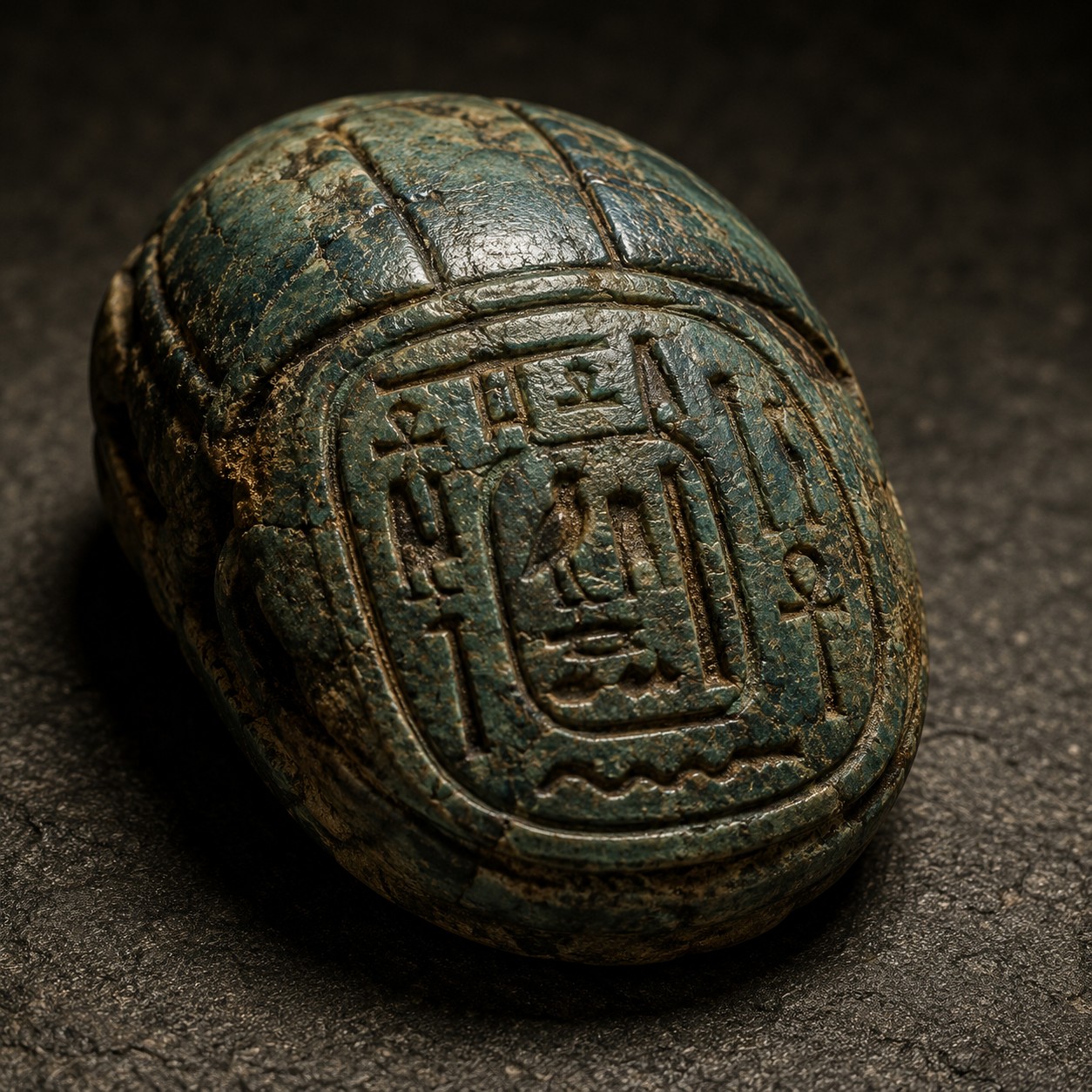
A stone inscription from 1208 BC carries the name Israel — and that is not a religious account, it is granite displayed in a public museum. But the 603,550 fighting men recorded in Exodus create a tension scholars still debate today.
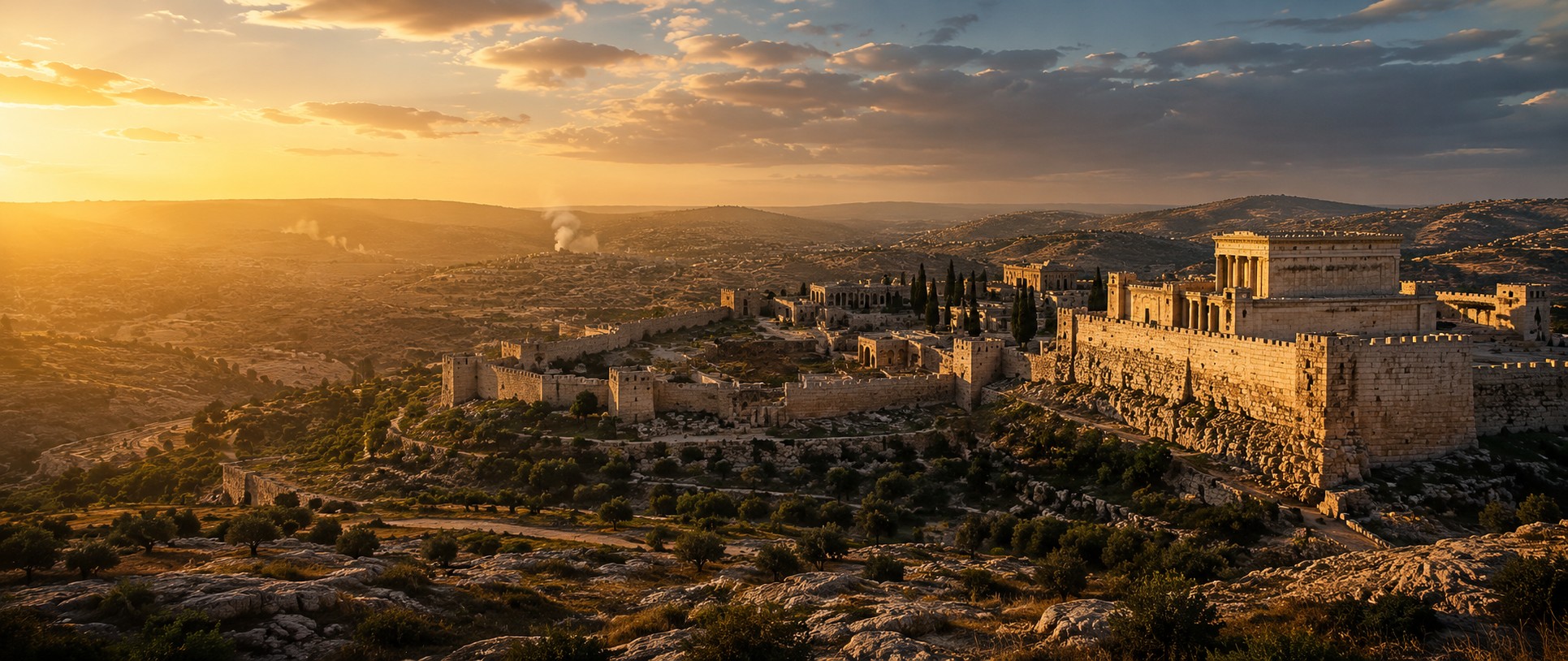
Twenty occupation layers, a battle documented in Thutmose III's Annals of Karnak, and one of the most excavated sites in the Near East. And yet the stables found there still have no agreed attribution: Solomon or Ahab?

In 1979, two tiny silver scrolls were found inside a tomb in Jerusalem. When researchers finally managed to open them without destroying them — after years of painstaking work — the text that appeared was familiar: the Priestly Blessing from Numbers 6. Dated to the 7th century BC, they became the oldest known biblical text ever found — around 400 years before the Dead Sea Scrolls.
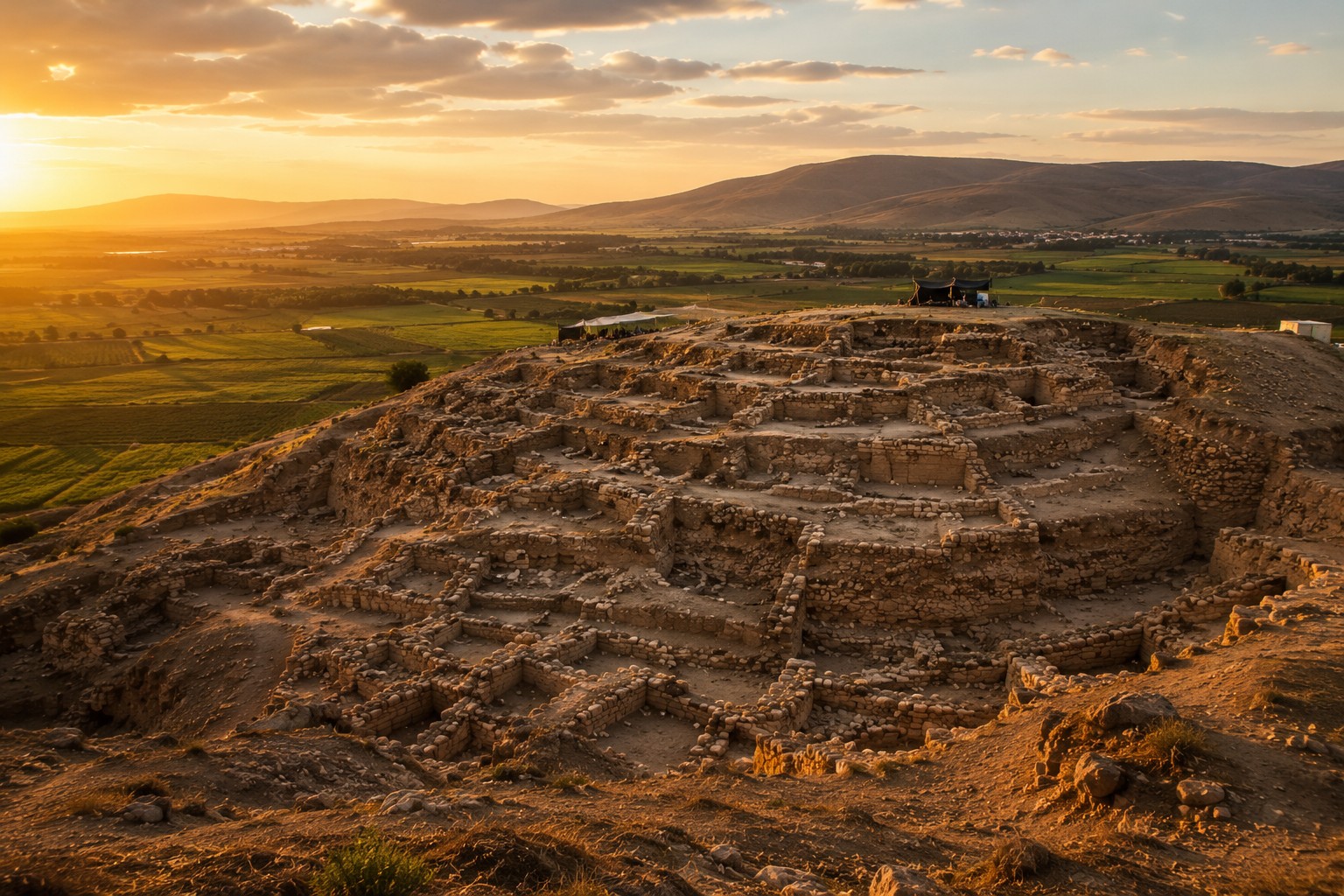
Fifteen to twenty thousand cuneiform tablets from around 2300 BC, discovered beginning in 1964 at Tell Mardikh in Syria. The problem: what was announced about those tablets and what they actually contain are two very different things.
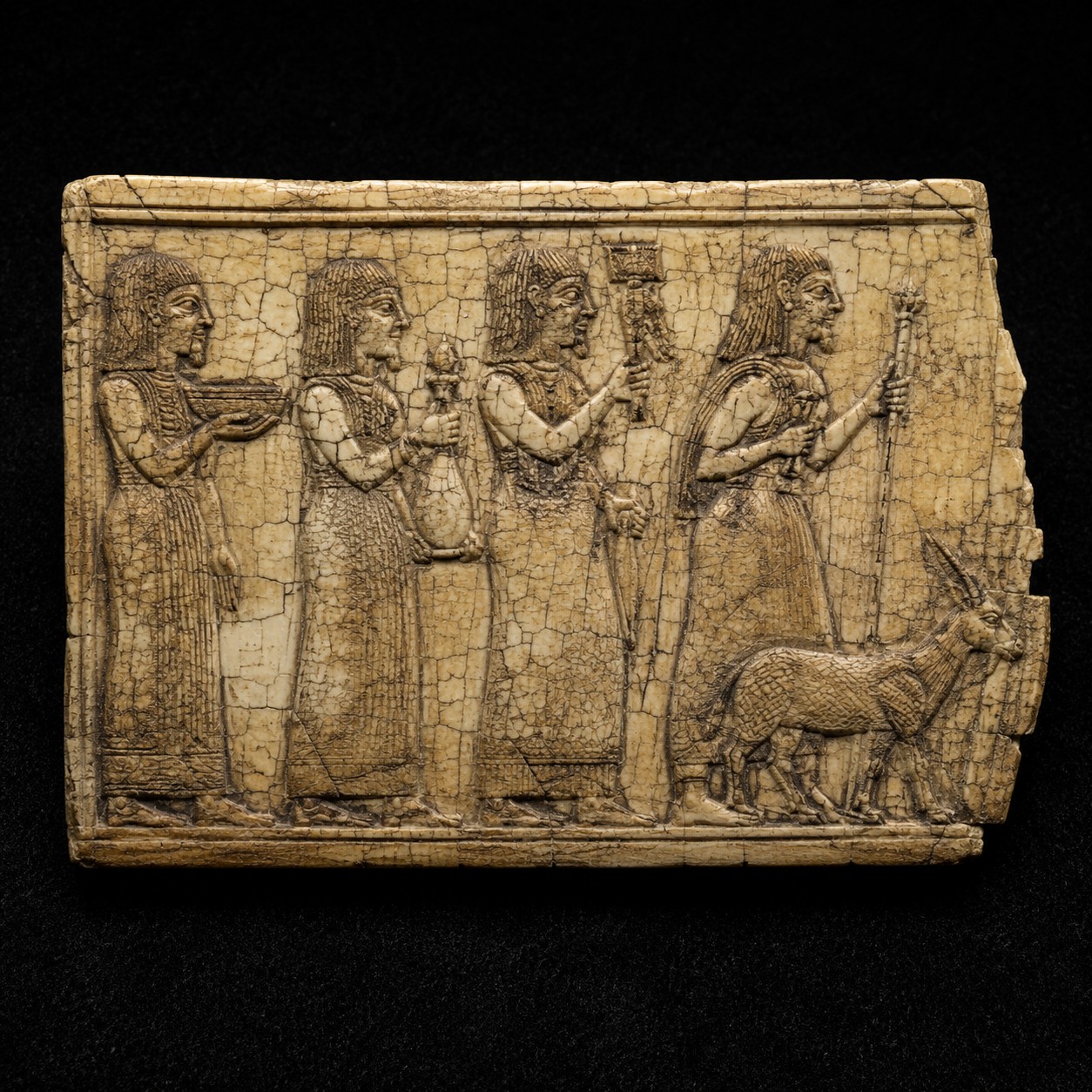
In 1990, construction workers accidentally uncovered a 1st-century burial chamber in Jerusalem. One of the ossuaries was inscribed: Yehosef bar Qayafa — Joseph son of Caiaphas. The man who appears at the trial of Jesus did not remain only in the Gospels. He left a trace in the historical record. But what happened that night — the words, the decisions, the fears — remains beyond the reach of any stone.

A sacred textual language, no longer spoken as a native tongue, becomes the living language of a modern nation in less than three generations. Hebrew is the only documented case of linguistic revival at that scale and speed. The process is traceable year by year. But why did it succeed when similar attempts with other languages failed? That question still has no consensus answer.
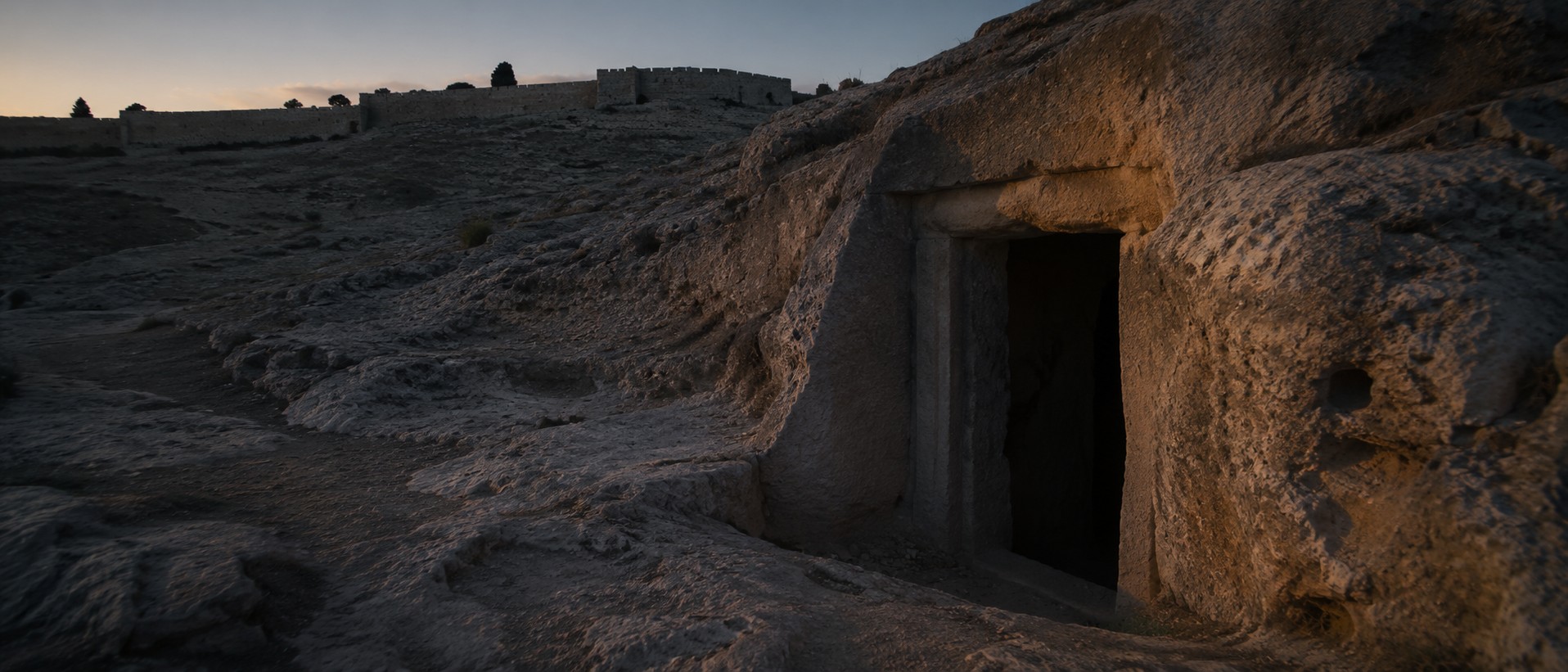
Each case is analyzed with a clear standard: what is confirmed, what can be reasonably inferred, and what remains genuinely in dispute. That separation doesn't exist in most content on this subject — because it's uncomfortable for anyone who already arrived with a ready-made conclusion.
The Ebla case shows how enthusiastic announcements were published by researchers and then retracted by those same researchers. A report that only cites findings that confirm and ignores corrections that complicate is not investigation — it's cherry-picking.
When two of the foremost researchers in biblical archaeology disagree about the same site, both sides of the argument appear with their full reasoning. There is no "the science says" when the most serious scientists in the field haven't reached the same point — and this report doesn't pretend otherwise.
This report was not written to please anyone who arrived with a conclusion already in hand. It was written for those who prefer to understand what was genuinely found — even when that complicates both sides of the conversation.
An entry price for an investigation you can return to many times.
Launch offer. After this phase, the price returns to USD $25.00.
Get instant access at the launch price7-day unconditional guarantee. If for any reason the report doesn't deliver what you expected — the tone, the depth, the approach, anything — simply request a refund through Hotmart within the first 7 days. The full amount is returned, no complicated process, no questions required.
DRM-free PDF. Read it on any device you prefer, as many times as you want. No subscription, no auto-renewal, no expiring access.